
Dental Bone Grafting Avon IN
Major & Minor Bone Grafting
Bone grafting restores or preserves jawbone that has been lost because of missing teeth, gum disease, injury, infection, or another condition. At Avon Oral & Maxillofacial Surgery, Dr. Hostalet, Dr. Shelton and Dr. McDonough provide dental bone grafting in Avon, Indiana. Bone grafting can rebuild areas of the jaw and, when appropriate, create a stable foundation for dental implants.
Quick Answer: Bone Grafting in Avon, IN
Dental bone grafting rebuilds or preserves areas of the jaw where bone has been lost. At Avon Oral & Maxillofacial Surgery, bone grafting may be used to preserve the jaw after a tooth extraction, repair existing bone loss, or create a stable foundation for dental implants.
What Is Dental Bone Grafting?
A dental bone graft is a surgical procedure that places grafting material in an area of the jaw where bone has deteriorated or is insufficient. The graft provides a framework that supports the formation and remodeling of new bone. After the area heals, the restored bone may be able to support a dental implant or another form of oral rehabilitation.
Bone grafting can range from preserving a single tooth socket after an extraction to rebuilding a larger section of the upper or lower jaw. The recommended approach depends on the location and extent of bone loss, your oral health, and the treatment planned after grafting.
Why Might You Need a Bone Graft?
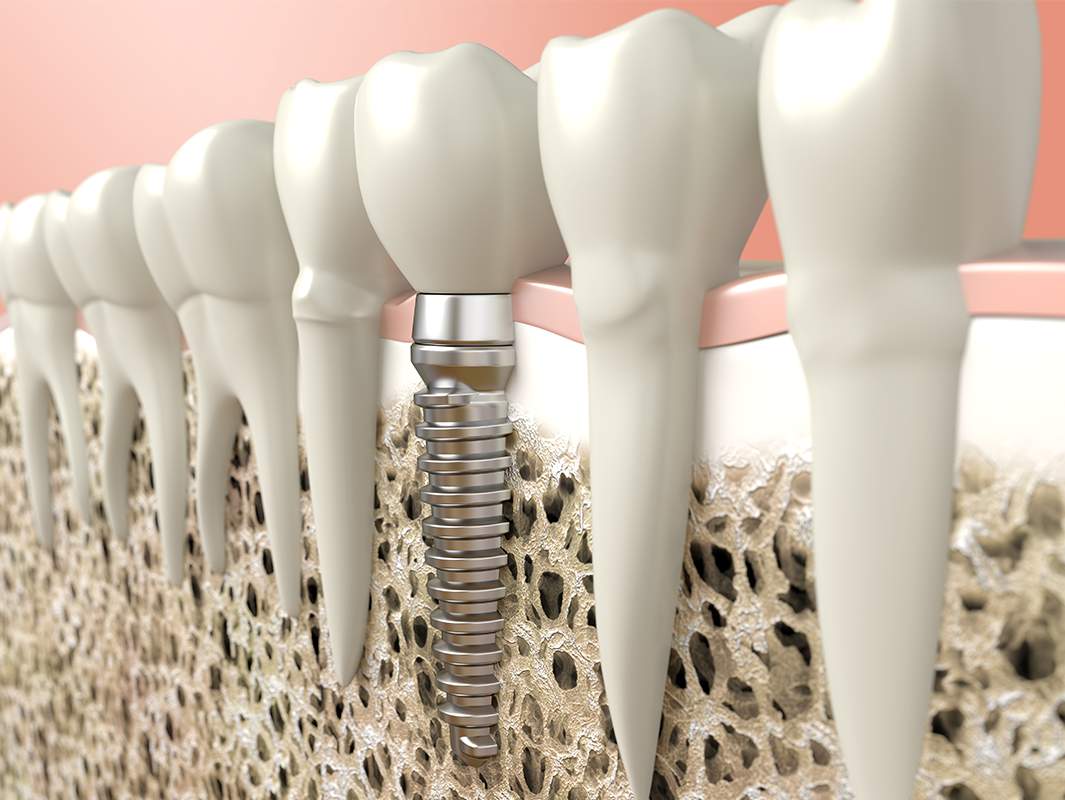
The roots of natural teeth stimulate the surrounding jawbone. After a tooth is removed or lost, that stimulation disappears, and the bone may gradually shrink or resorb. This jawbone loss and deterioration can affect nearby teeth, change the contours of the jaw, and make future dental implant placement more difficult.
Bone grafting may be recommended to:
- Preserve the jawbone after a tooth extraction
- Rebuild bone that has deteriorated following prolonged tooth loss
- Create sufficient bone height or width for a dental implant
- Repair bone loss caused by gum disease, infection, or facial trauma
- Restore defects resulting from a developmental condition or previous surgery
- Support the long-term health, function, and appearance of the jaw
Learning more about jawbone health can help patients understand why preserving adequate bone is an important part of replacing missing teeth.
Types of Bone Grafting Procedures
The type of procedure recommended will depend on where bone is needed, how much reconstruction is required, and whether a dental implant is planned.
Socket Preservation
Socket preservation places grafting material into the empty socket following a tooth extraction. This can help limit changes in the height and width of the jawbone and preserve the area for a possible future dental implant.
Ridge Augmentation
A ridge augmentation rebuilds the portion of the jaw that supports the teeth. It may be recommended when significant bone loss has left the ridge too narrow, uneven, or otherwise insufficient for implant placement or an optimal dental restoration.
Sinus Lift
A sinus lift, also called sinus augmentation, adds bone to the back of the upper jaw beneath the sinus membrane. This procedure may be necessary when there is not enough bone height to support implants in the upper premolar or molar region.
Bone Grafting for Dental Implants
Bone grafting for dental implants may be performed before implant placement or, in selected cases, during the same appointment. Your oral surgeon will determine the appropriate treatment sequence after examining your jaw and reviewing your diagnostic images.
Major Bone Grafting
Major bone grafts are typically performed to repair larger defects of the jaws. These defects may result from traumatic injuries, tumor surgery, developmental conditions, or previous treatment. Larger defects may be reconstructed using bone obtained from another area of the patient’s body.
Depending on the amount of bone required, potential donor sites can include areas within the jaw or other parts of the body, such as the hip or tibia. More extensive bone-grafting procedures may be performed in an operating-room or hospital setting. Your surgeon will explain whether this type of treatment is necessary and what to expect.
Where Does Bone Graft Material Come From?
Bone graft material can come from several sources. The type selected depends on the location of the graft, the amount of bone required, and the patient’s individual treatment plan.
- Autograft: Bone obtained from another area of the patient’s own body, often from within the jaw for smaller grafts
- Allograft: Carefully processed human donor bone obtained from a tissue bank
- Xenograft: Processed bone material derived from an animal source
- Alloplast: A biocompatible synthetic bone-grafting material
The graft may be covered with a protective membrane to stabilize the area and support guided bone regeneration. Learn more about available bone-grafting materials and options. Your oral surgeon will explain which material and technique are appropriate for your needs.
What Happens During the Bone Grafting Process?
Your treatment begins with a consultation and examination. Diagnostic imaging, including 3D cone beam imaging when appropriate, allows your surgeon to evaluate the amount and shape of the available jawbone and plan the procedure.
During surgery, the treatment area is accessed and prepared before the grafting material is placed. A membrane or another stabilizing material may be used to protect the graft and support guided bone regeneration. The gum tissue is then repositioned and closed with sutures.
Depending on the procedure and your individual needs, treatment may be completed with local anesthesia, sedation, or another appropriate anesthesia option. Your surgeon will discuss the recommended approach with you before treatment.
How Long Does a Dental Bone Graft Take to Heal?
Initial gum-tissue healing usually occurs before the underlying bone has fully developed and matured. Complete bone-graft healing commonly takes several months, although the timeline varies from patient to patient.
Factors that can affect healing include:
- The size and location of the graft
- The grafting material and technique used
- Whether an implant was placed during the same procedure
- The patient’s overall health and natural healing response
- Smoking or tobacco use
- Oral hygiene and adherence to postoperative instructions
Your surgeon will monitor your progress and determine when the graft is ready to support the next phase of treatment.
Who Is a Candidate for Bone Grafting?
You may be a candidate for bone grafting if you have insufficient jawbone to support a dental implant, need to preserve bone after an extraction, or have experienced bone loss because of gum disease, infection, injury, or another condition.
Candidacy can only be confirmed after a clinical evaluation and review of your diagnostic images. Smoking, uncontrolled medical conditions, active infection, certain medications, and untreated gum disease can affect healing. Be sure to discuss your complete health history and any medications or supplements with your surgeon.
Why Choose an Oral and Maxillofacial Surgeon for Bone Grafting?
Oral and maxillofacial surgeons receive specialized surgical training in diagnosing and treating conditions involving the mouth, teeth, jaws, and facial structures. This training includes bone reconstruction, dental implant surgery, anesthesia, and the management of complex oral surgical needs.
The surgeons at Avon Oral & Maxillofacial Surgery use clinical examinations and detailed imaging to determine whether grafting is necessary and which technique can best support your long-term oral health and treatment goals.
Frequently Asked Questions About Bone Grafting
Is a bone graft always required before a dental implant?
No. Bone grafting is only recommended when the available jawbone cannot adequately support an implant or when preserving the bone is expected to improve the treatment outcome. Some patients have sufficient healthy bone for implant placement without grafting.
Can a bone graft and dental implant be placed at the same time?
Sometimes. Smaller areas may be grafted when the implant is placed. If more extensive reconstruction is required, the graft will usually need to heal before implant surgery. Your surgeon will determine the safest and most appropriate treatment sequence.
Does bone graft material become part of the jaw?
Bone-grafting material generally acts as a framework that supports the formation and remodeling of the patient’s own bone. How the graft changes during healing depends on the material and technique used.
How long after a bone graft can I receive a dental implant?
Healing commonly requires several months, but there is no single timeline for every patient. Your surgeon will use follow-up examinations and, when needed, diagnostic imaging to determine when the area is ready for implant placement.
What can interfere with bone-graft healing?
Smoking, poor oral hygiene, infection, uncontrolled health conditions, certain medications, and failure to follow postoperative instructions can interfere with healing. Your surgeon will discuss any personal risk factors during your consultation.
Learn More About Bone Grafting
Explore these related resources to learn more about jawbone preservation, bone loss, and the bone-grafting procedures available at Avon Oral & Maxillofacial Surgery:
- Why Jawbone Health Matters
- Causes of Jawbone Loss and Deterioration
- Bone-Grafting Materials and Options
- Socket Preservation After Tooth Extraction
- Ridge Augmentation
- Sinus Lift and Sinus Augmentation
- Bone Grafting for Dental Implants
Schedule a Bone Grafting Consultation in Avon, Indiana
If you have been told that you lack sufficient jawbone for dental implants or want to preserve bone following an extraction, schedule an evaluation with Avon Oral & Maxillofacial Surgery. The practice serves patients from Avon, Brownsburg, Danville, Plainfield, Indianapolis, Greencastle, Terre Haute, and surrounding Indiana communities.
Call 317-272-2200 or schedule an appointment with our oral surgery team.
Think You May Need Bone Grafting?
Call today and our caring & dedicated staff will help get you the answers you need.